What is a VLTD – AIS 140 GPS Device?
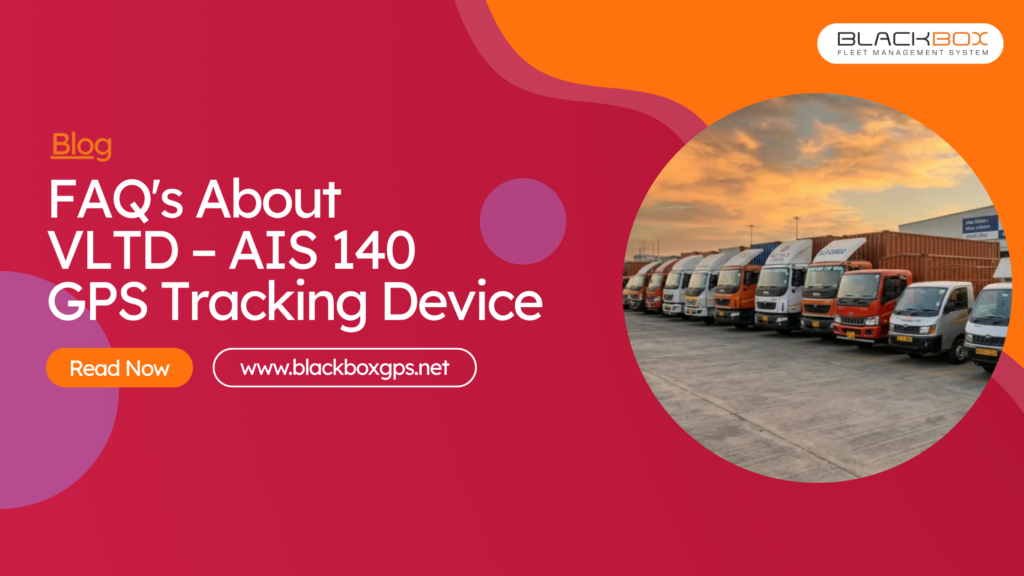
A VLTD (Vehicle Location Tracking Device) is a government-approved GPS tracking device designed as per AIS 140 standards issued by the Ministry of Road Transport and Highways (MoRTH), Government of India. It enables real-time vehicle tracking, emergency alerts, and improved passenger safety in commercial vehicles. The VLTD – AIS 140 GPS device is highly used in commercial vehicles, school buses, public transport, and other fleet vehicles to enhance security as well as safety.
How does an AIS 140 IRNSS Certified VLTD work in vehicles?
An AIS 140 IRNSS Certified VLTD interacts with the IRNSS/NavIC satellite to track a vehicle’s live location. The device collects vehicle data such as speed, route, stoppage, and ignition status, and sends it to a cloud server using a SIM network. Fleet owners can monitor vehicles through a web platform or mobile app in real time.
Why is AIS 140 Certification essential for Commercial Vehicles?
AIS 140 certification is crucial because it ensures the GPS tracking device meets government-approved safety as well as tracking standards. Commercial vehicles using AIS 140-certified devices can comply with transport regulations, support emergency response systems, and enhance passenger safety. The AIS 140 certification helps authorities in monitoring public vehicles more effectively.
How does a VLTD improve vehicle safety and security?
A VLTD offers route monitoring, vehicle real-time tracking, and emergency alerts. There is also a panic button support, which improves the vehicle’s security and safety. In case of emergencies, unauthorized vehicle movement, or accidents, instant alerts can be sent to fleet operators or authorities. The VLTD device improves fleet security, decreases vehicle theft, and monitors driver behavior.
What industries commonly use VLTD – AIS 140 GPS devices?
VLTD devices are widely used in:
- Logistics & Transportation
- School & Staff Buses
- Public Transport
- Mining & Construction
- Taxi & Cab Services
- Telecom Fleets
- Oil & Gas Industry
- Agriculture & Equipment Fleets
Any industry operating commercial vehicles can benefit from AIS 140 GPS tracking.
Does the VLTD device work across all states in India?
Yes, AIS 140-certified VLTD devices work in all states in India. This effective device uses GPS and GSM networks. These networks help in vehicle tracking and allow continuous monitoring. However, tracking performance varies slightly in remote areas with limited mobile network coverage.
How long does it take to install a VLTD device?
Typically, installation of a VLTD device takes around 30 to 40 minutes, depending on the vehicle type and additional accessories being installed.
Which vehicles need an AIS 140 GPS tracking device?
AIS 140 GPS devices are generally required in commercial and public transport vehicles such as:
- Buses
- School buses
- Taxis & cabs
- Trucks
- Passenger transport vehicles
- Government transport vehicles
Requirements may vary depending on state transport regulations.
Can a VLTD device track fuel usage and driver behavior?
Yes, advanced AIS 140 GPS devices can support fuel monitoring and driver behavior tracking. Features include:
- Fuel level monitoring
- Fuel theft alerts
- Fuel filling alerts
- Mileage reports
- Overspeed detection
- Harsh braking & acceleration alerts
- Rash turn monitoring
- Driving score card
These features help improve fleet efficiency and reduce operational costs.
Is internet connectivity needed for AIS 140 GPS tracking?
Yes, AIS 140 GPS devices use SIM-based cellular connectivity to send vehicle data to cloud servers. Internet connectivity is required for real-time tracking, alerts, and dashboard updates. However, many devices can temporarily store data offline and sync automatically once the network is available.