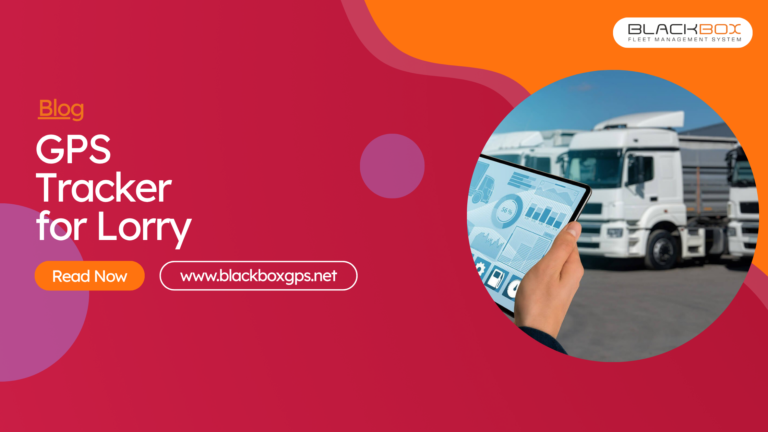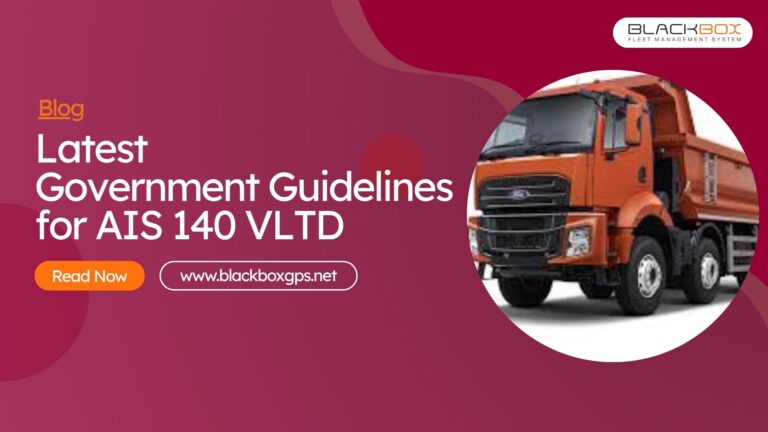
GPS Tracking for Mineral Transport Vehicles- Mineral transportation involves the movement of valuable materials such as sand, stone, gravel, coal and other materials from mines to stockyards, plants and delivery points. There are multiple vehicles operating across different routes, monitoring every trip manually can be difficult. This is where GPS Tracking for Mineral Transport Vehicles helps the business monitor vehicle location, routes, stoppages and trip history through a centralized tracking platform. It gives fleet managers better visibility into vehicle movement and helps them identify unusual activity and route deviations.
In India, there are many states that are using GPS-based systems for monitoring mineral transport vehicles. Its depending on the state rules, as some vehicles may require approved VLTDs, including AIS 140-compliant devices. States such as Uttar Pradesh and Andhra Pradesh have implemented vehicle tracking systems for mineral transportation, which include route and device monitoring. This is why GPS tracking can be helpful for increasing visibility and controlling routes.
What Is GPS Tracking for Mineral Transport Vehicles?
GPS tracking for mineral transportation vehicles refers to installing a vehicle-mounted device. This device uses satellite signals and mobile networks to send this data to a central tracking platform. This allows the fleet manager to monitor vehicles as they are moving minerals from the mining site.
- What is the current location of the vehicle
- Whether the vehicle is following the approved route
- Check whether it has entered or left the mine
- Where the vehicle stopped and how long it’s stayed there
- Whether the GPS device is working
- It’s sending data properly
What Is an AIS 140 GPS Tracker, and Why Does It Matter for Mineral Transport?
An AIS 140 GPS Tracker is a VLTD (Vehicle Location Tracking Device) that was built to meet the needs of Automotive Industry Standard 140. It is more than a regular GPS tracker as it follows specific standards for device design, communication, and vehicle tracking. Government VLTD platform explains that an AIS 140 device can track real-time location, device health monitoring, and emergency alerts. Before buying an AIS 140 GPS tracker, it is important to check whether the device is approved as per the applicable requirements.
Why Mineral Transport Operations Need GPS Tracking
Mineral Transport vehicles are often travel through remote areas and cross different districts or states before they reach their destination. They also pass through several checkpoints along the way. Without proper digital tracking, it can be difficult for the fleet operator and authorities to know what happened during the journey.
- Did the vehicle leave the loading point on time?
- How long vehicle remain stopped?
- Following the approved transport route?
- Did the mineral load reach the destination?
- How much time did it take to complete the journey?
- Was there any unusual route deviation?
Key Benefits of GPS Tracking for Mineral Transport Vehicles
Here is a simpler, more direct version with natural wording while keeping the meaning:
Real-Time Visibility of Every Vehicle
A fleet manager can view all the mineral transport vehicles on a digital map. This makes it easier to check vehicle location without calling drivers for regular updates, especially when vehicles are working across different sites.
Route Deviation Monitoring
GPS tracking and geofencing can alert the manager when a vehicle moves away from its approved route. This helps identify route changes quickly and its support for better control over mineral transportation.
Full Source-to-Destination Tracking
A GPS tracking system can monitor the complete movement of a vehicle
Mine/Quarry → Loading Point → Transit Route → Checkpoint → Stockyard/Plant → Final Destination
This enables the fleet manager to monitor all the delays, unauthorised stops and irregular vehicle movements throughout the transportation process.
Geofencing Around Key Locations
Virtual boundaries can be created around mines, stockyards, loading points, checkpoints and restricted areas. Managers can receive alerts whenever a vehicle enters or leaves these defined locations.
Detection of Unauthorized Stops
With an AIS 140 GPS tracker for Mineral Transport Vehicles in India, fleet owners can monitor unusual stoppages during transit. The system records both the locations and duration of each stop, helping owners to know routine operational halts.
Device Tampering Alerts
Modern GPS trackers can detect issues such as device tampering or power disconnection. These alerts help ensure that vehicle movement remains visible and reduce gaps in tracking data.
GPS Tracking Across Mineral Transport Vehicle Types
Different vehicles can be used for transporting minerals, and each may have different operational requirements.
| Vehicle Type | Common Use | GPS Tracking Benefits |
| Dumpers | Transport materials between mining areas, loading points, and unloading locations | Monitors vehicle movement and trip progress |
| Tipper Trucks | Carry sand, gravel, aggregates, and other bulk materials | Provide route and journey visibility |
| Heavy Commercial Trucks | Transport minerals over long distances and across multiple locations | Enable remote monitoring of long-distance trips |
| Tankers & Support Vehicles | Carry water, fuel, and other supplies required for mining operations | Helps track vehicle location, movement, and utilization |
Features to Look for in a GPS Tracker for Mineral Transport Vehicles
- 4G connectivity — It supports reliable and real-time data transmission, which is very important for continuous vehicle monitoring.
- GNSS/NavIC support — Some government requirements also include NavIC/IRNSS support along with the other satellite system so that it can provide accurate and reliable vehicle location tracking
- Reliable backup power — Mineral Transport Vehicles work in tough conditions where power cuts or device tampering can interrupt tracking.
- Tamper and power alerts — This help oparator known quickly if the GPS tracking is not working or the connetction s interrupted.
- Geofencing and route monitoring — These features help monitor and control the vehicle movement from the mine to the checkpoint and final destination.
- A capable software platform — hardware alone isn’t enough; the value comes from maps, alerts, reports and trip history on top of it.
Can GPS Tracking Help Reduce Mineral Transportation Irregularities?
GPS tracking cannot completely prevent illegal transportation, theft or misuse. It can also improve transparency and make the movement of vehicle earlier to monitor. With these features of a GPS tracker, such as live location tracking, route history, geofencing, stoppage records and alerts, the fleet manager can quickly notice unusual vehicle activity and address the issue
This is also why GPS-based Vehicle Tracking Systems are being used by mining authorities in different parts of India. These systems can help monitor vehicle movement, support legal mineral transportation, and improve oversight of the mineral supply chain.
Why Choose Blackbox GPS Technology for Mineral Transport Tracking?
Mineral transportation involves more than moving a load from one location to another. It involves route compliance, checkpoints, stockyards and regulatory oversight all at once. Blackbox GPS Technology’s telematics solutions are built to give mineral transport operators monitor all these activities through one centralized platform. The system covers location, route adherence, geofences, trips, stoppages, alerts and historical data from one centralized platform. Where AIS 140 VLTD deployment applies, Blackbox also factors in device certification, communication capability and compatibility with the relevant state mining-department infrastructure.
Frequently Asked Questions
What is GPS tracking for mineral transport vehicles?
It is the use of a vehicle-mounted tracking device that is connected to fleet management software to monitor the location, route and movement of the vehicle that is carrying minerals. With real-time tracking, route history, alerts and geofencing.
Can GPS tracking stop illegal mineral transportation?
GPS tracking cannot prevent irregularities by itself, but the real-time tracking and historical movement data, geofencing, and route monitoring it provides can help authorities and operators identify deviations and improve oversight.
Is AIS 140 mandatory for mineral transport vehicles in India?
Requirements vary by state, vehicle type, and mineral. Some states require AIS 140-compliant VLTDs for specific mineral transport vehicles.
Which mineral transport vehicles can be tracked?
Dumpers, tippers, heavy trucks, tankers and support vehicles can all be fitted with GPS tracking, subject to device suitability and installation requirements.
Can a mineral transport GPS tracker detect route deviation?
Yes, with geofencing and route monitoring, the platform can flag when a vehicle leaves its defined route or a designated zone.