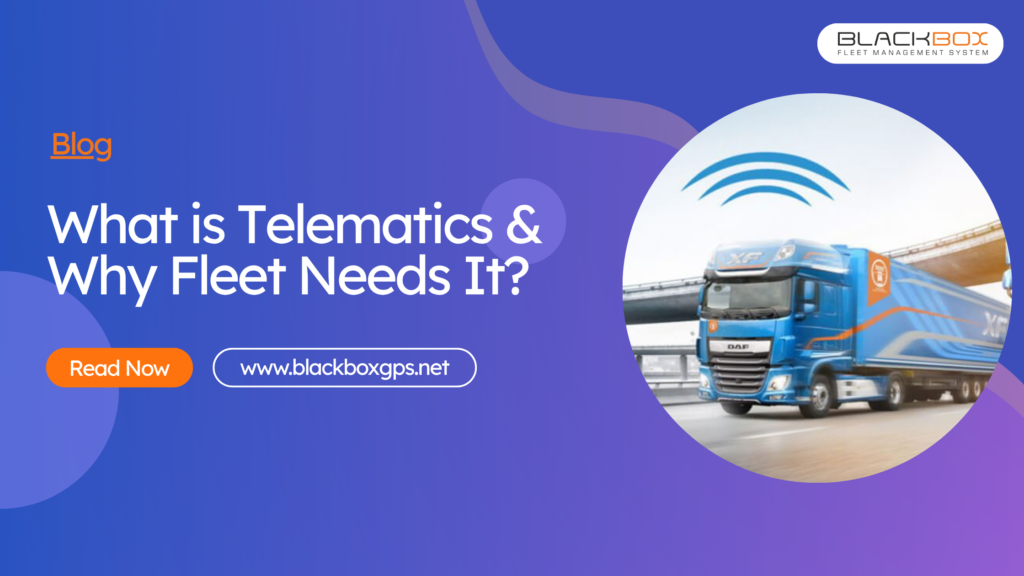
What is Telematics and Why Your Fleet Needs It: Fleet managers should balance safety, efficiency, and cost control simultaneously in the contemporary data-driven transportation landscape. It is no longer sufficient to depend on the basic tracking tools for managing vehicles. Therefore, telematics plays an imperative role in proper tracking. Telematics combines telecommunications, data analytics, and vehicle technology to deliver real-time visibility reports into fleet operations.
By changing raw vehicle data into actionable insights, modern telematics helps fleet managers in improving productivity, decreasing expenses, and making smarter operational decisions. In this blog, we will provide you with the information on “What is Telematics and Why Your Fleet Needs It”.
What is Telematics?
Telematics is the latest technology, which integrates GPS Tracking, sensors, onboard diagnostics, and cloud software to track vehicles as well as driver activity in real-time. This technology not only collects but also transmits operational data, like vehicle location, driving behavior, fuel consumption, route history, and engine performance, to a centralized dashboard. Telematics serves as a digital control center for fleet operators, which enables continuous tracking and data-based management.
How Telematics Works?
The automated Telematics systems function through a structured data flow, ensuring accurate as well as continuous monitoring of fleet operations. Have a look at some steps that define how this telematics works:
| Steps | Function |
| GPS devices & sensors installed in vehicles collect data like location, fuel level, speed, and engine metrics. |
| 2. Data Transmission | Information is transmitted through cellular or satellite networks. |
| 3. Data Processing | Cloud software processes and analyzes incoming data. |
| 4. Dashboard Visualization | Fleet managers access insights via real-time dashboards, reports, and alerts. |
Key Features of Telematics for Fleet Management
The latest telematics solutions offer several capabilities that support efficient fleet operations are mentioned below:
Real-Time Vehicle Tracking
Live location tracking by telematics enables fleet operators to track vehicle movement, optimize routes, and enhance delivery accuracy.
Fuel Monitoring & Control
With the help of fuel analytics, fleet managers identify abnormal fuel consumption patterns, detect fuel theft, and improve fuel efficiency.
Alerts & Notifications
Automated alerts notify fleet managers about unauthorized vehicle usage, fuel drops, route deviations, or maintenance requirements.
Driving Behavior Monitoring
Telematics systems capture driver performance metrics, like overspeeding, harsh braking, and excessive idling, which promote more responsible and safer driving.
Performance Reporting & Analytics
The dashboards & reports of vehicles offer insights into mileage, operational trends, and trip history, which support strategic decision-making.
Why Your Fleet Requires Telematics?
It becomes more challenging to control vehicles, drivers, and the cost of operating a vehicle with the help of traditional monitoring methods. But with the modern telematics system, it is too easy to detect the real-time location and fuel theft. Have a look at the key highlights of why telematics has become a crucial part of modern fleet management:
Adequate Operational Visibility
Fleet owners get complete visibility of fleet movement as well as any other activity with the help of telematics. They can track real-time location, productivity, and driver behaviour of vehicles without any delays or gaps.
Enhanced Driver Safety
It is easy to monitor driver behaviour that encourages safer driving, which decreases accident risks and lowers maintenance costs.
Data-Driven Decision Making
The actionable insights of telematics replace guesswork. With its help, fleet managers can identify inefficiencies, evaluate performance trends, and implement targeted improvements.
Lessen Fuel Costs
Fuel is a major expense. Telematics enables accurate Fuel Monitoring, anomaly detection, and performance analysis. This information helps fleets minimize wastage as well as prevent hidden losses.
Enhanced Productivity
Looking at how this technology improves productivity? Real-time location tracking helps decrease idle time, optimize routes, and enhance trip planning, which leads to faster deliveries as well as better asset utilization.
Business Impact of Telematics System
| Benefit Area | Average Improvement |
| Fuel Efficiency | 10–20% reduction in fuel expenses |
| Vehicle Utilization | From 15 to 25% improvement |
| Accident Reduction | More than 20% less incidents |
| Maintenance Costs | 10–15% savings with preventive monitoring |
| Operational Productivity | From 15 to 30% increase |
Practical Use Cases Across Fleet Industries
| Industry | Blackbox Telematics Solution | Key Operational Application |
| Construction | Advanced monitoring solutions, Driving Behavior Monitoring & Reporting | Enhances project oversight by tracking dump trucks and construction vehicles, improving equipment efficiency and operational safety. |
| Logistics | Fleet Management Solutions, Real-Time Reporting Dashboard, Instant Alerts | Optimizes logistics operations through live vehicle tracking, operational monitoring, and route visibility for better delivery performance. |
| Education | AIS 140 Certified Vehicle GPS Tracker System | Ensures safety and efficiency in school transportation by enabling real-time bus tracking and improved transport monitoring. |
| Agriculture | Smart Tracking and Monitoring Solutions | Increases productivity by monitoring agricultural vehicles and equipment usage, helping improve utilization during farming operations. |
| Waste Management | GPS Tracking & Route Monitoring Support | Optimizes waste collection routes and enhances operational efficiency through improved vehicle monitoring and movement tracking. |
Challenges Faced by Fleet Operators Without Telematics
Fleet owners have to face several challenges when fleets operate without Fleet Telematics, which are mentioned below:
- Limited visibility of vehicle activity
- Higher operational & maintenance costs
- Inadequate Driver Monitoring
- Difficulty in detecting fuel losses
- Owing to the lack of real-time data delays in decision-making
Blackbox Telematics Safety & Alert Features
- Panic button integration for instant distress alerts
- AIS-140 compliant safety support
- Real-time emergency notifications
- Centralized dashboard visibility of safety alerts
- Faster incident response through an automated alert system
- Improved driver security during breakdowns
- Decreased response time during accidents or emergencies
- Enhanced passenger safety for school and public transports
Wrapping Up!
From manual supervision to data-driven control, telematics has changed fleet management. With the help of telematics, it is easy to track vehicles, monitor drivers’ performance, and detect fuel theft. By integrating GPS tracking, automated reporting, and analytics, telematics offers real-time visibility, improved safety, and cost optimization. Adopting telematics to operate smarter, achieve sustainable growth, and respond faster is the best decision which fleet needs in an increasingly competitive transportation landscape.